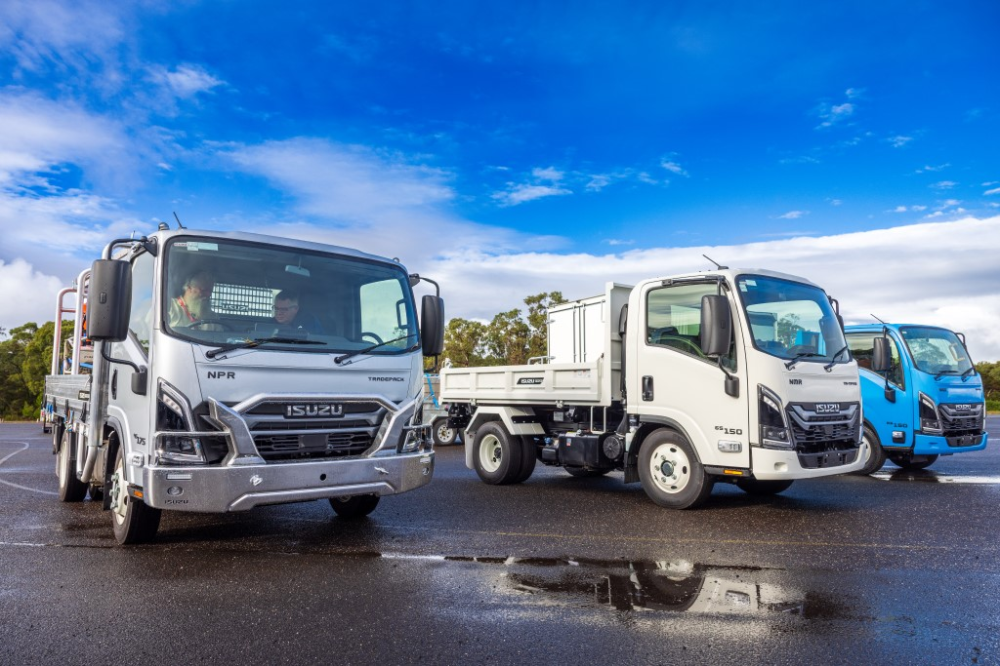
Light Trucks Show Their Strength as Australia’s Freight & Construction Demand Expands
Australia’s road freight system continues to depend on commercial vehicles, with fresh transport figures highlighting the clear performance edge of purpose-built trucks over smaller options like utes and vans.
Passenger vehicles still recorded the highest share of total distance travelled at 162,983 million kilometres, but commercial vehicles remain responsible for moving the vast majority of freight nationwide.
Data from the Australian Bureau of Statistics (ABS) shows that 223,949 million tonne-kilometres of freight were transported by road in the latest reporting period, reinforcing how critical trucks are to keeping goods moving across the country.
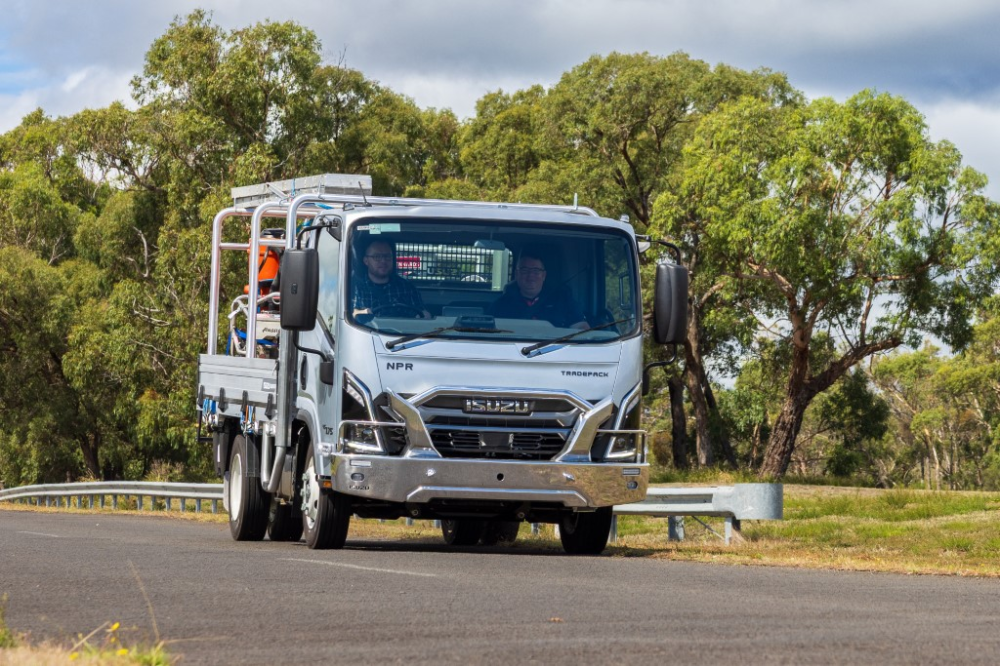
Rigid trucks averaged 94.6 thousand tonne-kilometres per vehicle.
Above & beyond
Rigid trucks alone accounted for 41,820 million tonne-kilometres, or 18.7 per cent of total freight, while light commercial vehicles — including utes and vans — contributed 8,893 million tonne-kilometres, just 4.0 per cent.
The productivity gap becomes even clearer when measured per vehicle.
Rigid trucks delivered an average of 94.6 thousand tonne-kilometres per unit, compared to just 5.2 thousand for light commercial vehicles, underlining the efficiency advantage of trucks built specifically for freight tasks.
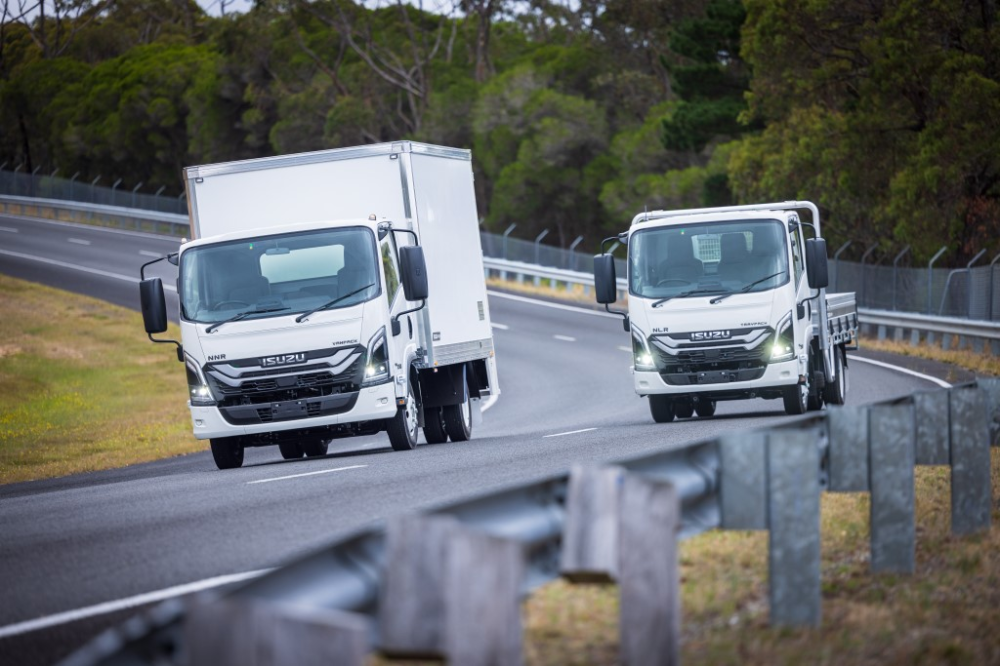
Numbers don’t lie
The figures reaffirm the well-established role of light and medium-duty trucks in Australia’s freight and service sectors.
Isuzu Australia Limited Head of Product Management and Chief Engineer for Commercial Vehicles, Simon Humphries, said the numbers highlight why trucks remain essential.
“While utilities and vans remain a popular option for many businesses, the reality is that trucks are specifically engineered to carry heavier payloads, travel greater distances under load and do so efficiently,” Mr Humphries said.
“That purpose-built design, from payload to load space, translates directly into productivity gains for operators who need to move equipment, materials or goods every day.”
The difference between vehicle types is also evident in total kilometres travelled across the commercial fleet.
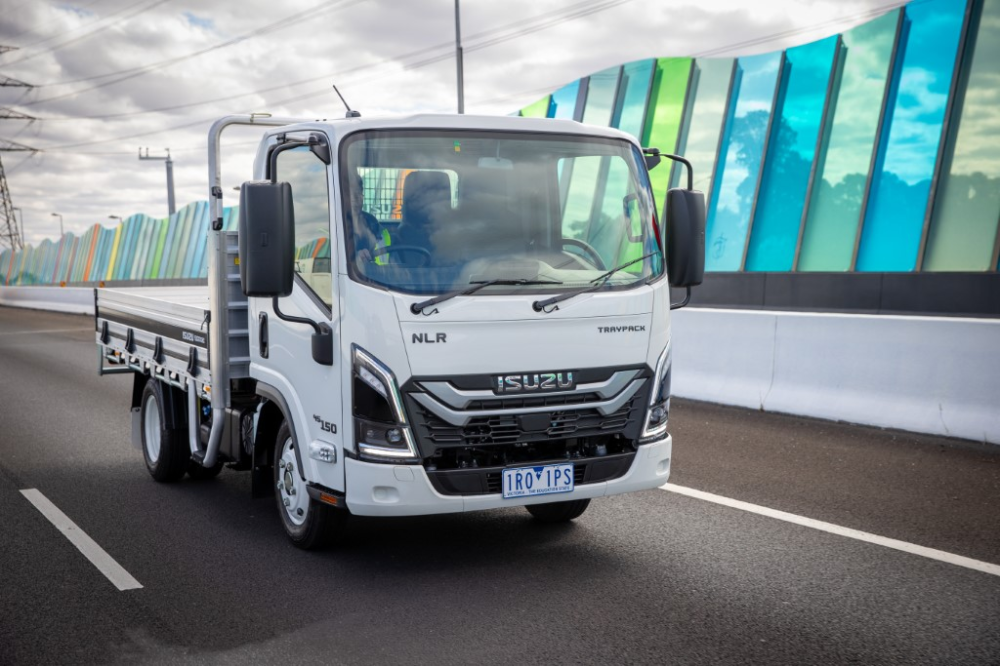
Tale of the tape
Light commercial vehicles covered 52,229 million kilometres, reflecting their widespread use across trades and service industries, while rigid trucks travelled 10,976 million kilometres within the broader freight network.
On a per-vehicle basis, rigid trucks averaged 21.1 thousand kilometres, notably higher than many smaller vehicles operating in similar commercial roles.
According to Mr Humphries, businesses are increasingly recognising the benefits of using vehicles designed for the job, rather than pushing smaller vehicles beyond their intended limits.
“In many cases, operators are asking utilities and vans to perform tasks that they weren’t originally designed for,” he said.
“When you move into a light truck platform, you gain greater payload capacity, better load distribution and a vehicle designed from the ground up to handle commercial workloads.”
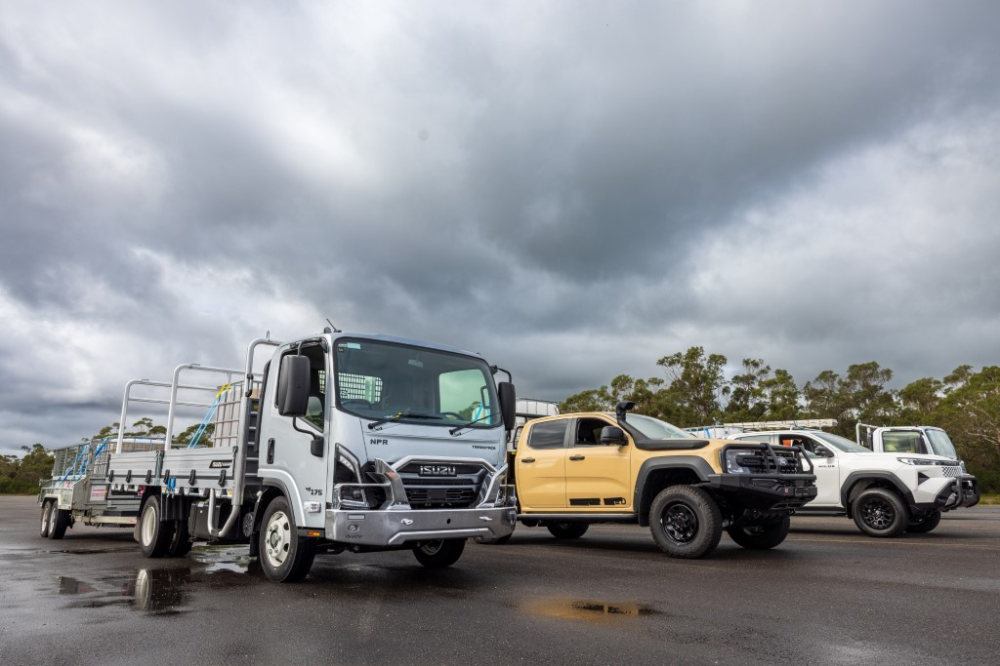
State by state
Freight demand remains heavily concentrated along Australia’s eastern seaboard. Victoria recorded the highest road freight volume at 59,284 million tonne-kilometres, followed by Queensland with 52,833 million and New South Wales with 51,277 million.
This growing demand is pushing businesses to prioritise efficiency, reliability and safety when selecting vehicles.
Mr Humphries said purpose-built trucks continue to offer strong advantages across industries such as construction, logistics, trades and local government services.
“Operators are looking for vehicles that allow them to do more work with fewer trips while still meeting safety and compliance requirements,” he said.
“That’s where a well-specified light truck can make a profound difference to a business’ bottom line. With the well-publicised driver shortage far from abating, individual driver productivity has become paramount, and that can be achieved with a higher capacity vehicle.”
To support this shift, manufacturers are rolling out ready-to-go vehicle options tailored to specific applications.
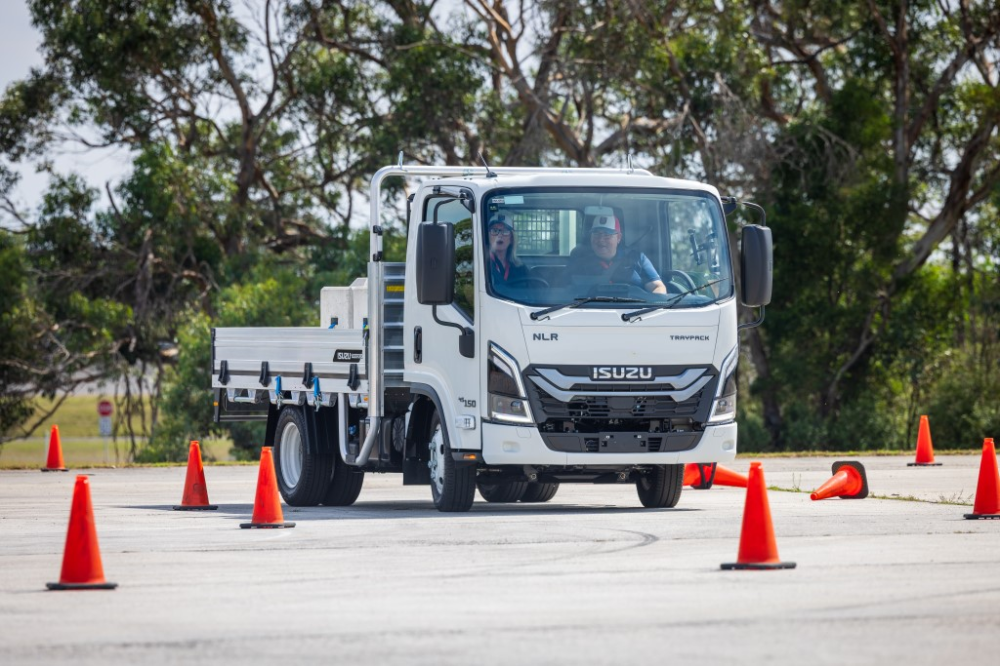
Shifting sands
Isuzu Australia Limited has expanded its Ready-to-Work range of pre-bodied light trucks, aimed at helping trade and service businesses access factory-backed solutions suited to common jobs.
Mr Humphries said this reflects a broader industry move toward fit-for-purpose vehicles available without long lead times or complex customisation.
“Many operators want the benefits of a truck but without the complexity of specifying a custom body or waiting for lengthy build times,” he said.
“Having purpose-built solutions available off the shelf means businesses can access a vehicle that’s already configured for their trade, allowing them to get on the road and working sooner.”
As freight volumes continue to rise and supply chains grow more complex, the role of light trucks is expected to increase.
“Light trucks occupy an important middle ground in the commercial vehicle landscape,” he said.
“They offer a step up in capability and efficiency from smaller freight vehicles while remaining accessible and practical for a wide range of operators across Australia.”
Once you've found the right car, the next step is sorting out car finance that actually works for your budget. Credit One is Australia's best-reviewed finance broker, with 3,000+ five-star Google reviews from customers who've been through the process. Check out Credit One reviews to see what people say, or head straight to the loan repayment calculator to see what the numbers look like.